


Barley Yellow Dwarf Virus: The Risks, Impact on 2026 & the Future
Barley Yellow Dwarf Virus (BYDV) is perhaps one of the most documented and well understood viruses affecting cereal crops grown in the UK, yet its control using insecticides over more recent years has become politicised, and in many cases polarised depending which side of the debate you stand.
BYDV is also the most economically damaging virus in cereals in the UK, affecting wheat, barley, oats, rye and triticale.
Understanding the BYDV Risk
The virus is spread by aphids, primarily in the Autumn, where the biggest impact comes from early infection in early drilled crops, i.e. crops drilled in September and early October.
There are multiple aphid species that will spread BYDV, although where you are in the UK will dictate which species will be of main concern.
In the Southern half of the UK this will primarily be the Bird-Cherry Oat Aphid (Rhopalosiphum padi), whilst further North the Grain Aphid (Sitobion avenae) is of equal concern.
The ability of each to infect crops and how far into the Winter months is related to how mild the Winter remains. The Grain Aphid is more hardy, capable of surviving down to lower temperatures than the Bird-Cherry Oat Aphid.
How BYDV Spreads
Infection and spread within cereals occur when infected aphids, usually winged, fly into the crop and feed, transmitting virus.
It can also occur from within the same field if aphids are granted a “green bridge”, allowing them to move directly from previous green material onto an emerging crop. Examples include volunteers from a previous cereal, cereals following a grass ley, or cover/catch crops.
The virus will then spread from the initial point of infection by way of aphid movement and subsequent generations of aphids moving out into the field.
New generations aren’t infected at birth. They become infected by feeding on infected plants before then moving out into the crop and infecting any plants they feed on, hence the familiar yellow spotting visible in fields, usually from early to late March.
These can coalesce into bigger areas if infection occurs early and has been left unchecked.
The Impact on Yield
The ultimate consequence of infection is yield loss.
The extent of this depends on several factors but is largely driven by how early the infection occurred. This is primarily dictated by drilling date and by how long into the Autumn/Winter aphids can fly into crops.
In most years aphids will stop flying below approximately 11°C and activity reduces considerably once temperatures fall below 3°C.
Hence later sowing generally reduces both the risk of infection and subsequent yield loss.
BYDV has the potential to affect approximately 80% of the UK cereal area, but the actual area is usually much less due to multiple factors.
Variability in infection levels year on year, which can lead to complacency, and the difficulty in finding aphids does not help. Additionally, pseudoscience now appears to play a role, playing on people’s desire to reduce insecticide use, whilst political pressure and financial incentives, e.g. SFI, can make it seem attractive. Plus, there is a commercial desire, from some, to offer alternatives with limited scientific foundation.
A distinction between alternative methods of control and the variable nature of BYDV between fields and seasons needs to be considered.
This can lead to perceived control within crops that may not have been at risk and/or infected in the first place, manifesting a reliance on a method in the future that ultimately fails when infection does occur.
We have an established method of assessing risk in the field by using accumulated degree days from crop emergence. A tool to help can be found on the AHDB website.
If used together with suction trap data and in-field monitoring, it rarely fails if acted upon with the use of targeted insecticide treatments.
BYDV and Harvest 2026
BYDV was widespread within cereal crops in 2026 for a multitude of reasons:
-
Widespread early drilling in Autumn 2025.
-
A very mild Autumn/Winter.
-
A willingness to reduce insecticide use.
-
A willingness to try less established methods of protection, such as insecticide alternatives that are often more expensive and, worse still, are not proven to work.
-
SFI incentives. These need careful consideration and can pale in comparison to losses from early BYDV infection.
-
Mis-timed insecticide applications.
-
Potentially misguided advice on the ability of natural predators to prevent infection of crops in the Autumn and/or the notion that applying nutrition will make plants less attractive to aphids.
Yield Loss from BYDV for Harvest 2026
Because of the extreme weather conditions experienced in 2026, it is difficult to place a figure on yield loss from BYDV.
Crops, regardless of BYDV infection, will have lost yield due to extreme heat and drought.
Given the regularity of visual symptoms of BYDV in crops, what we can assume is that a higher percentage of crops will have lost yield due to early BYDV infection because BYDV was very visible in many crops throughout the Spring leading up to harvest.
Before the extreme heat began in late May and the subsequent drought started to bite, the very visual impact of BYDV in crops was the main talking point.
Severe BYDV Plant Loss in Winter Barley
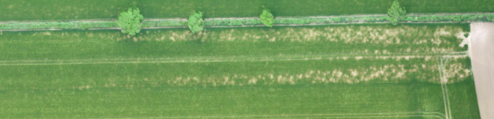
Picture 1: Severe BYDV plant loss in Winter Barley due to booms purging.
The resulting yield loss in this small area compared to the rest of the field was 1.5t/ha, representing a loss in revenue of approximately £250/ha.
BYDV Spotting in Early Drilled Winter Wheat
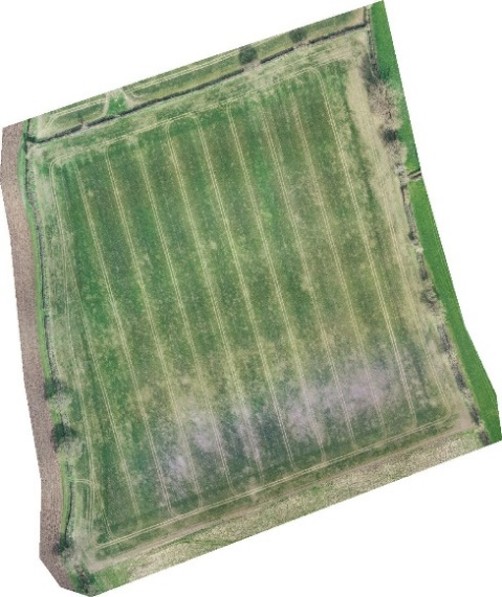
Picture 2: BYDV spotting on 20th March in an early drilled crop not sprayed with an insecticide in Autumn 2025.
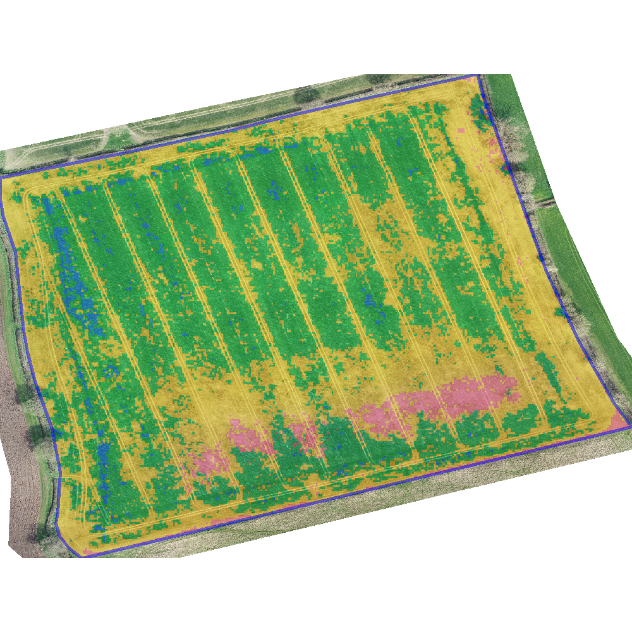
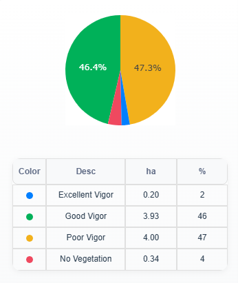
Pictures 3 & 4: Analysis indicating that over 50% of the crop has poor vigour or was lost.
Development of BYDV Through the Spring
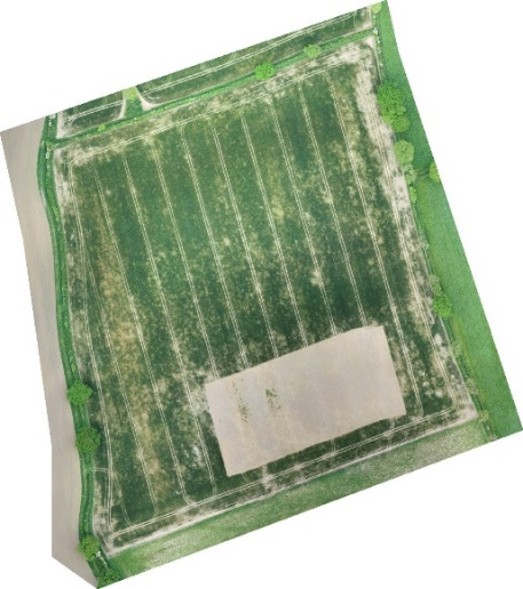
Picture 5: Image from 1st May 2026, where part of the field has been sprayed out.
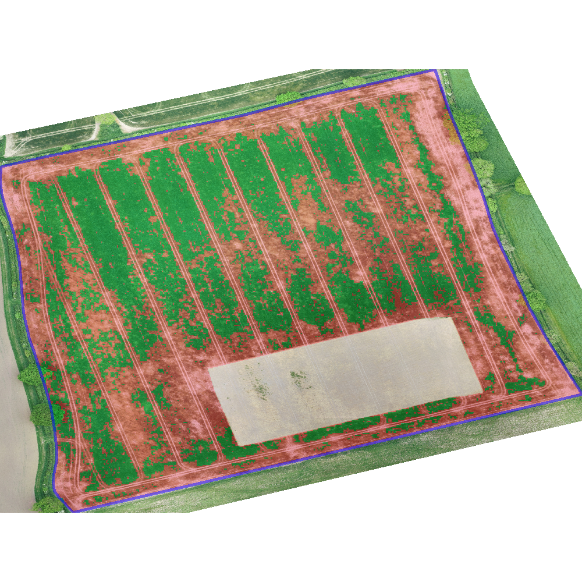
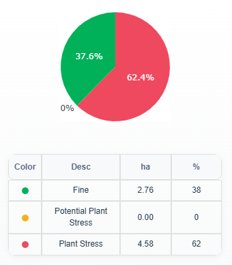
Pictures 6 & 7: Plant stress analysis indicating that BYDV is affecting over 60% of the crop.
What Happened at Harvest?
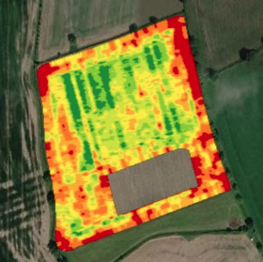
Picture 8: The yield map following harvest of the BYDV affected field.
Final yield in this field was impacted significantly, down at 5.6t/ha across the whole field, including the sprayed-out area.
The field next door was the same variety but had far less BYDV infection and yielded 9t/ha.
This represents a yield loss of 3.4t/ha, approximately £660/ha in lost revenue.
Lessons Going Forward
Drilling later can really help, after 15th October, but if drilling must be done earlier, consider genetic advantages provided by some varieties.
If you wish to reduce the likelihood of insecticide intervention in a warming climate, then innate plant resistance is the only scientifically demonstrated option.
BYDV ‘tolerant’ varieties are now available with an ever-improving agronomic profile. Whilst these new varieties can still become infected, and in high pressure years may still require insecticide intervention, they can tolerate a level of infection and suffer less yield loss.
No one wants to use an insecticide, but if there is a requirement to do so, all necessary criteria have been met and realistic alternatives exhausted, it is ‘Good Agricultural Practice’ to maintain a profitable crop with minimal impact on the environment.
Using BYDV tools to monitor accumulated day degrees, suction trap data and assessments in field to help make informed decisions is critical.
Trust scientific data supported by sound trials.
Summary
Nobody knows what the future holds, but our climate appears to be warming and the overall BYDV risk is likely to increase, although this is not likely to follow a straight line.
Given this, growers should be carefully assessing the risks involved.
Where early drilling is unavoidable, BYDV tolerant varieties should be high on the agenda, particularly for those wishing to reduce reliance on insecticides.
Where insecticide use is considered acceptable, monitoring should also be in place to assess in-season risk to ensure applications are applied and timed as accurately as possible to increase efficacy and minimise impacts on the wider environment.
Use of any alternative means of control should be scrutinised carefully, with a key question in mind:
“Can I afford the financial loss associated with an unproven method of control, if it fails?”