


Moisture Please!
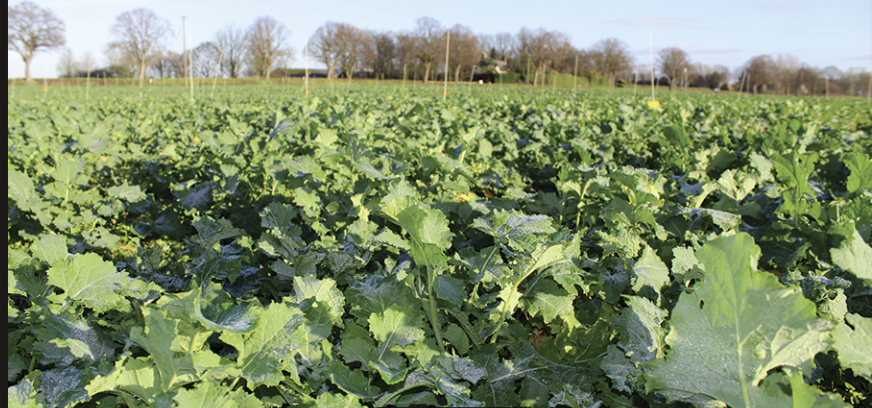
Giving Winter Oilseed Rape the Best Start
By Richard Alderman, Crop Management Partners
As we approach the traditional winter oilseed rape drilling season, many farms are well placed to get started. Harvest has moved on quickly, leaving plenty of land ready to drill.
The only thing missing is moisture.
Without enough moisture, even the best drilling plans can struggle. Getting crops established this autumn will come down to getting the basics right and, in many cases, having the patience to wait for the right conditions.
Wait for Moisture
Moisture is the most important ingredient for successful establishment. There needs to be enough in the seed zone for germination, but also enough lower down the profile to keep young plants growing once they emerge.
Get the Seedbed Right
Good seed to soil contact is essential. Fine, firm seedbeds help conserve what moisture is available and encourage quick, even emergence.
Good soil structure is just as important. Oilseed rape tap roots need to travel down through the soil, not sideways, so removing compaction and creating the right conditions below the surface will pay dividends later.
Drill at the Right Depth
Where moisture allows, aim to drill seed at 2 to 3cm. Once seed is placed at 4 to 5cm, establishment percentages begin to fall.
Managing Cabbage Stem Flea Beetle
Cabbage Stem Flea Beetle continues to be one of the biggest challenges for oilseed rape establishment.
The traditional thinking was to avoid crops emerging around the August Bank Holiday when beetle migration was usually at its peak. In recent years those migration patterns have become much less predictable, making it harder to time drilling around them.
One thing hasn’t changed. A rapidly established crop still gives you the best chance of reducing damage.
Rotation Still Matters
Growing winter oilseed rape as part of a one in five rotation can help reduce pressure from Cabbage Stem Flea Beetle, while also bringing wider benefits to crop health.
Early or Late Drilling?
There is no single answer.
The highest yielding crops are often those drilled towards the end of September, but later drilling brings its own challenges, including greater pressure from pigeons and game birds over winter.
Earlier drilling may help establishment where moisture is available, but can expose crops to higher flea beetle pressure.
Every farm and every field needs treating on its own merits.
Nutrition at Establishment
Getting nutrition right from the start is important.
Organic manures generally have the advantage over artificial fertilisers, providing nutrients while also improving soil structure and soil biology.
Target Plant Numbers
Aim for around 25 to 40 plants per square metre.
Well-established plants with thicker stems are generally better able to tolerate cabbage stem flea beetle larvae, particularly where crops are drilled earlier.
Companion Crops
Companion crops can play an important role.
Buckwheat has become a popular choice, particularly where SFI companion cropping is being used. It establishes quickly, is naturally killed by frost and flowers in late autumn.
There is increasing evidence that this late pollen source attracts beneficial insects such as parasitic wasps. Companion crops may also help slow the movement of flea beetles through the crop.
Managing Volunteers
Cultivating oilseed rape stubbles after a shower of rain can be worthwhile.
Rain helps break the dormancy of volunteer rape, allowing cultivation to remove emerging plants. Research from NIAB has also shown this approach can physically reduce emerging cabbage stem flea beetle populations.
Final Thoughts
Every autumn is different, but the principles remain the same. Good seedbeds, sufficient moisture, sensible nutrition and careful crop management all help give oilseed rape the best possible start.
Everyone at Crop Management Partners wishes you a safe and successful autumn drilling season.