


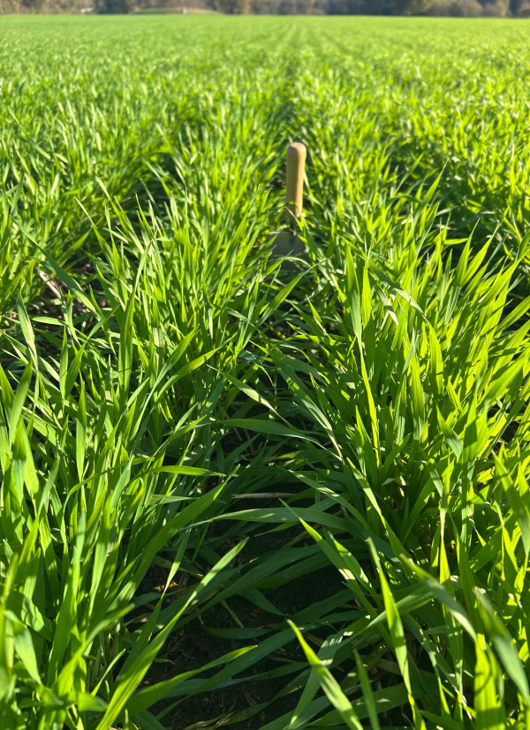
The old farming saying “well sown, half grown” remains as relevant today as ever. With the effectiveness of post-emergence contact herbicides waning due to resistance, pre-emergence herbicides increasingly form the cornerstone of grass weed control in addition to cultural control measures. Achieving the correct seed drilling depth is essential for crop safety, establishment and yield potential.
Pre-emergence herbicides are ideally applied within 48 hours of drilling, before the crop, and, more importantly, the weed emerges. Products containing active ingredients such as cinmeythalin, flufenacet, pendimethalin, tri-allate and diflufenican create a layer of herbicide in the upper soil profile designed to control emerging weeds. For these products to work effectively without damaging the crop, the seed must be placed beneath the herbicide-treated zone.
Protecting Crop Safety
One of the most important reasons for maintaining adequate drilling depth is to minimise the risk of herbicide reaching the germinating seed. Seeds that are drilled too shallowly may sit within, or very close to, the herbicide layer. When this occurs, seedlings can absorb herbicide as they emerge, leading to crop phytotoxicity.
Symptoms can include poor emergence, reduced plant vigour, leaf distortion, stunting and, in severe cases, plant loss. Such damage can reduce plant populations and compromise the crop’s ability to compete with weeds throughout the growing season.
For winter cereals, the minimum drilling depth is specified on the product label, as a guide a depth of around 32mm is often recommended, 40 mm for tri-allate (Avadex). Consistent depth across the field is equally important; variation in drilling depth can result in uneven emergence and inconsistent crop safety.
The Importance of Seedbed Quality
Correct drilling depth works hand in hand with a well-prepared seedbed. Fine, firm seedbeds help create a uniform herbicide layer while ensuring good seed-to-soil contact. Cloddy or uneven seedbeds can leave gaps in herbicide coverage and result in variable drilling depths.
A poorly consolidated seedbed may also allow herbicides to move unpredictably through the soil profile following rainfall. If herbicides are washed down onto shallow-drilled seed, the risk of crop damage increases significantly. Good consolidation after drilling reduces this risk and supports even crop emergence.
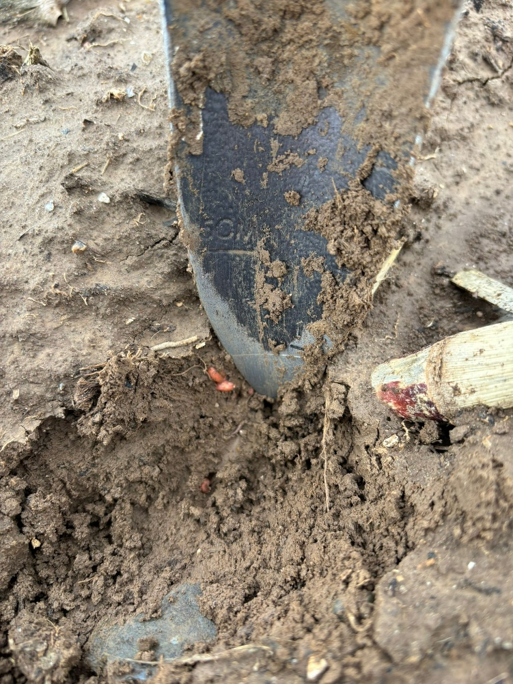
Examples of poor quality seedbeds with inadequate seed coverage or seed depth:
Managing Weather Risks
As experienced in 2023 and 2024 UK autumn weather can be highly variable. Heavy rainfall shortly after herbicide application can move herbicides deeper into the soil profile than intended. Where seed has been drilled adequately and covered with sufficient soil, the crop is better protected against these movements.
Shallow drilling can leave emerging seedlings vulnerable to herbicide uptake following periods of intense rainfall. As weather patterns become increasingly unpredictable, ensuring consistent drilling depth provides an important level of resilience within the establishment system.
Supporting Strong Crop Establishment
Establishment is the foundation of profitable crop production. Crops that emerge evenly and rapidly are better able to tiller, compete with weeds and utilise available nutrients and moisture. Correct drilling depth helps create uniform emergence, reducing variability within the crop and supporting stronger overall performance.
A healthy, vigorous crop is also more capable of tolerating environmental stresses later in the season. By combining accurate drilling with an effective pre-emergence herbicide programme, growers can maximise both crop establishment and weed control fulfilling the promise of the old farming adage: well sown, half grown.